Define the equipment behind the name
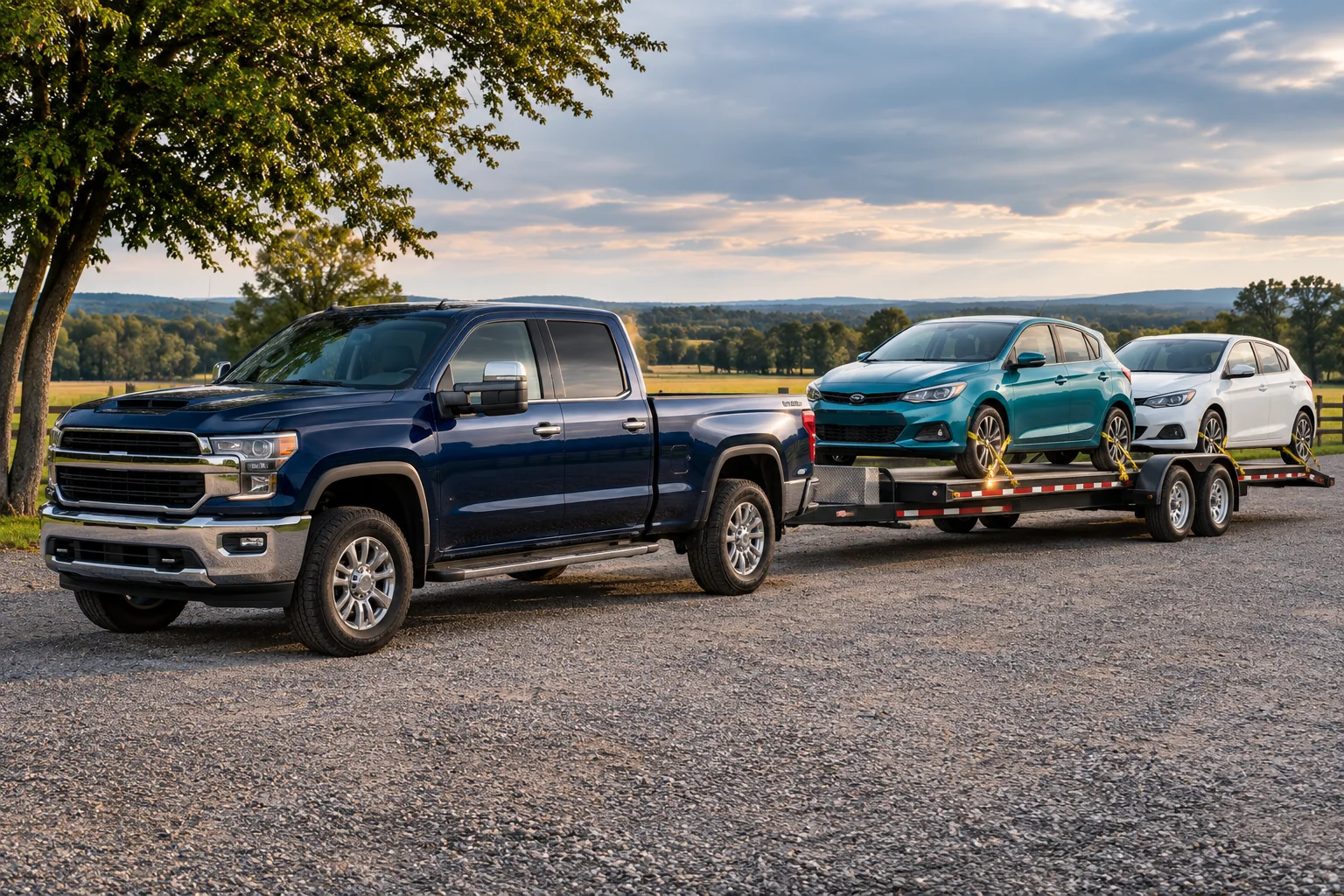
Hotshot car hauling commonly describes vehicle movement using a pickup style truck and trailer rather than a large multi-level car carrier. The label alone does not establish the trailer's capacity, loading angle, enclosure, operating authority, or schedule. Ask the provider to describe the actual equipment proposed for your vehicle. A description that includes trailer type, usable space, loading method, and route is more useful than a promise that a smaller truck will be faster.
Some customers seek a smaller setup for a single car, a regional trip, or a difficult address. Those needs are worth discussing, but none proves that a particular truck and trailer can perform the job. A long trailer can still need substantial turning room, and a pickup based combination may still face parking restrictions. The access guide explains why the actual approach and meeting point need review regardless of equipment size.
Keep the discussion focused on your vehicle and route. Ask whether the service is shared or dedicated, whether other pickups are planned, and whether the same equipment is expected to complete the journey. “Hotshot” does not automatically mean exclusive use, direct delivery, or an exemption from normal safety obligations. Those are separate service details that should appear in the agreement if they matter to your decision.
Provide dimensions and condition accurately
Give the provider the vehicle's year, make, model, body style, and any modifications. Disclose lifted suspension, oversized tires, lowered bodywork, roof equipment, a rear rack, or unusual cargo. These details can affect available clearance, weight distribution, and how the vehicle can be loaded. A standard model lookup may be useful initially, but it cannot describe a modified car accurately enough to finalize every equipment decision.
If the car has an operating problem, describe what it can actually do. Starting, moving under power, rolling freely, steering, and braking are different capabilities. Explain any locked wheel, missing key, flat tire, leak, or damage that affects movement. The non-running vehicle guide helps organize that description. The carrier must confirm suitable equipment and destination unloading arrangements before accepting the vehicle.
For a low car, ask the provider to assess loading geometry and manufacturer instructions. Do not assume all trailers have the same ramps or breakover clearance. Likewise, a heavy pickup needs an equipment assessment based on its actual configuration. The customer supplies facts and relevant instructions; the transport professional determines a safe loading plan. An honest description early is easier to accommodate than an unexpected condition discovered after the truck has arrived.
Verify the operator without assuming a size exemption
A pickup truck towing a trailer can be part of a commercial transport operation. Vehicle size, ratings, actual use, route, cargo, and applicable jurisdiction can affect the requirements. Do not accept a blanket statement that a hotshot operator needs no authority, insurance, or safety compliance simply because the power unit resembles a personal pickup. Ask which legal entity operates the equipment and which requirements apply to the proposed movement.
FMCSA's authority definitions describe carriers and brokers and discuss commercial motor vehicles in the context of commerce. Use the verification guide to match official business records, contact details, and operating roles. If an arranger is involved, identify the actual carrier before collection. The company that advertises the service may differ from the operator taking custody.
Check insurance evidence for the actual service and vehicle, including exclusions or limits that affect your decision. Verify questionable documents through independently obtained contact information. A familiar truck style or friendly driver does not establish coverage. Nor does a regulatory record guarantee every aspect of service quality. The goal is to establish who is responsible, what operation is proposed, and whether the available documentation matches it.
Compare route fit rather than a speed reputation
A smaller load can have fewer vehicles to collect, but actual timing depends on where the equipment starts, where it must go, and what other work is scheduled. Ask for separate pickup and delivery windows and find out which are estimates. A truck already near your origin may be a practical fit. A supposedly urgent truck traveling empty from far away may not offer the same advantage. The label does not answer that dispatch question.
Applicable driving limits and rest requirements still constrain commercial operations. FMCSA's hours of service summary explains the framework for covered property carrying drivers. The provider should build a feasible schedule under the rules that apply to its operation. You should not be expected to accept an unsafe driving plan as the reason a deadline can be met.
The expedited guide helps distinguish priority collection, shorter transit, and a contractual deadline. If a tight date matters, ask what operational feature supports it and what happens if it is missed. Keep a backup receiving or travel plan. A useful service comparison explains route assumptions and schedule commitments, rather than treating smaller equipment as proof of a guaranteed arrival.
Ask how the vehicle will be protected
Many hotshot arrangements use open trailers, but the term does not define weather protection. Ask whether the proposed trailer is open or enclosed and what the enclosure actually consists of. An open vehicle can encounter weather, dust, and road debris during the journey. A cover added by the owner may be unsuitable in transit and should not be used without the carrier's approval. Discuss protection needs before choosing equipment.
The open transport guide and enclosed transport guide provide a broader comparison. If your car has fragile finishes, exposed components, or special manufacturer handling instructions, explain those facts. Ask how the operator will accommodate them. A smaller trailer may offer a particular loading method, but you need confirmation of that method rather than an assumption based on photos from another job.
Protection also includes condition documentation and controlled access. Ask who operates the car during loading, where keys are held, and whether the vehicle will be stored or transferred. A route with one truck may still involve an overnight stop. Establish what the agreement says about custody and reporting, and make the pickup condition report detailed enough to support a useful comparison at delivery.
Leave loading and securement to qualified personnel
The carrier should assess the trailer, ramps, vehicle position, and securement for the actual load. Your role is to provide accurate vehicle information, access, keys, and relevant manufacturer instructions. Do not improvise lifting or tie down instructions based on an online image or pressure the operator to continue when equipment appears unsuitable. If the vehicle cannot be handled as agreed, stop and resolve the issue through the provider.
FMCSA's securement guidance includes specific provisions for automobiles, light trucks, and vans within its described weight category, with other provisions for heavier vehicles. That framework is a reason to ask about professional compliance, not a do it yourself loading tutorial. The trailer's available payload and tie down arrangements must suit the entire combination and load.
Keep spectators and helpers out of the loading area unless the operator gives them a defined, safe role. Children and pets should remain away from moving equipment. If a dealership, auction, or repair yard controls the site, follow its access rules and identify a staff contact. A clear working area and an authorized release are practical contributions that a customer can make without taking over the operator's safety decisions.
Make pickup preparation fit the equipment
Confirm a legal, accessible meeting point with enough room for the proposed truck and trailer. A shorter power unit does not eliminate the need for turning space or a stable loading area. Tell the provider about steep driveways, low branches, locked gates, street restrictions, and garage clearance. If a different location is necessary, agree on who moves the car there and who is responsible during that local movement.
Prepare the car under the carrier's instructions. Remove personal belongings unless expressly accepted, secure loose external accessories as directed, and make a functioning operating key available. Record fuel or charge level and odometer reading for the condition file. Ask about vehicle specific preparations when an electric car or unusual drivetrain needs special handling. The vehicle type guide explains why a general preparation checklist may need manufacturer guidance.
Take clear, dated photographs and inspect the car with the driver before loading. Make sure the report identifies the correct VIN and existing visible defects. If the receiving person is different, send them the report and images. A small operator may use a straightforward paper or digital process, but the essential record should still identify the vehicle, parties, location, condition, and date of the custody transfer.
Understand the written price and cancellation terms
Compare the full service cost for the same route, equipment, and timing. A charge may reflect dedicated capacity, an unusual vehicle, a difficult collection, or a direct route. Do not assume a smaller truck must cost less than a shared position on a larger carrier. The comparison depends on how the actual journey is organized. Ask which expenses are included and which changes can create additional charges.
Review deposits, payment timing, accepted methods, failed pickup terms, waiting time, cancellation, and storage arrangements. If the provider describes the service as dedicated, determine whether that means exclusive trailer use, a single destination, or another specific promise. The dedicated transport guide offers useful questions. A vague premium label should not substitute for a clear description of what you are purchasing.
If a dealer or auction holds the vehicle, confirm all release conditions before the operator travels to collect it. A failed collection can result from the seller's paperwork or your preparation rather than carrier availability. Keep the agreement and facility instructions together so a disagreement can be assessed against the actual facts. Written scope is especially helpful when a small operator handles both scheduling and driving and telephone discussions happen between stops.
Control changes in carrier or destination
Ask whether the provider intends to complete the journey with its own equipment and whether subcontracting or transfer is permitted by the agreement. If another carrier becomes involved, obtain its identity, contact details, coverage information, and custody record. Do not assume a small load cannot be transferred. Identify the vehicle's physical location and the person responsible whenever the plan changes.
FMCSA's fraud guidance recommends checking company contact information and recording driver and vehicle details. Use a verified contact to resolve an unexpected change, especially a new destination or payment instruction. A genuine schedule problem may require a revision, but that revision should be confirmed by the parties authorized to make it. The person holding the keys needs the current instructions as well.
Keep your own destination constraints up to date. If a receiver becomes unavailable or a location closes, tell dispatch before the truck arrives. Agree on any substitute address and associated cost rather than relying on the driver to find storage. A controlled change record protects the practical purpose of the shipment: delivery of the correct vehicle to the correct person at an agreed, accessible location.
Close the journey with a documented receipt
Attend delivery or provide an authorized receiver with the pickup condition record, contact details, and payment instructions. Inspect the vehicle in useful light and compare visible condition before the handoff is complete. Photograph concerns and record them through the applicable delivery process. The document guide explains how receipts and condition reports fit together. Keep copies even when the trip appears uneventful.
If something is wrong, identify the reporting channel and deadlines in the agreement rather than relying only on a conversation with the driver. Preserve the evidence needed to explain the issue and distinguish existing condition from a new observation. Confirm any remaining balance and retain the receipt. A suitable hotshot service should leave you with the same basic clarity as any other transport arrangement: known custody, agreed scope, and an accountable final handoff.
For a repeat move, retain the equipment description with the completed order. It helps you explain what worked if another operator is assigned next time. A photograph of the previous trailer can support that discussion, but it should not replace a fresh assessment of a different truck, trailer, or vehicle. Check the route and access again when the season or destination changes.
Record any useful preparation lesson, such as a better meeting point or a need for earlier key access. Those concrete details are more valuable for a future shipment than a broad conclusion that all smaller carriers operate the same way.
Sources and further reading
Dates and the scope of individual rules are explained in the guide. Use the linked authority or operator to confirm requirements for your shipment.