Understand what open service means
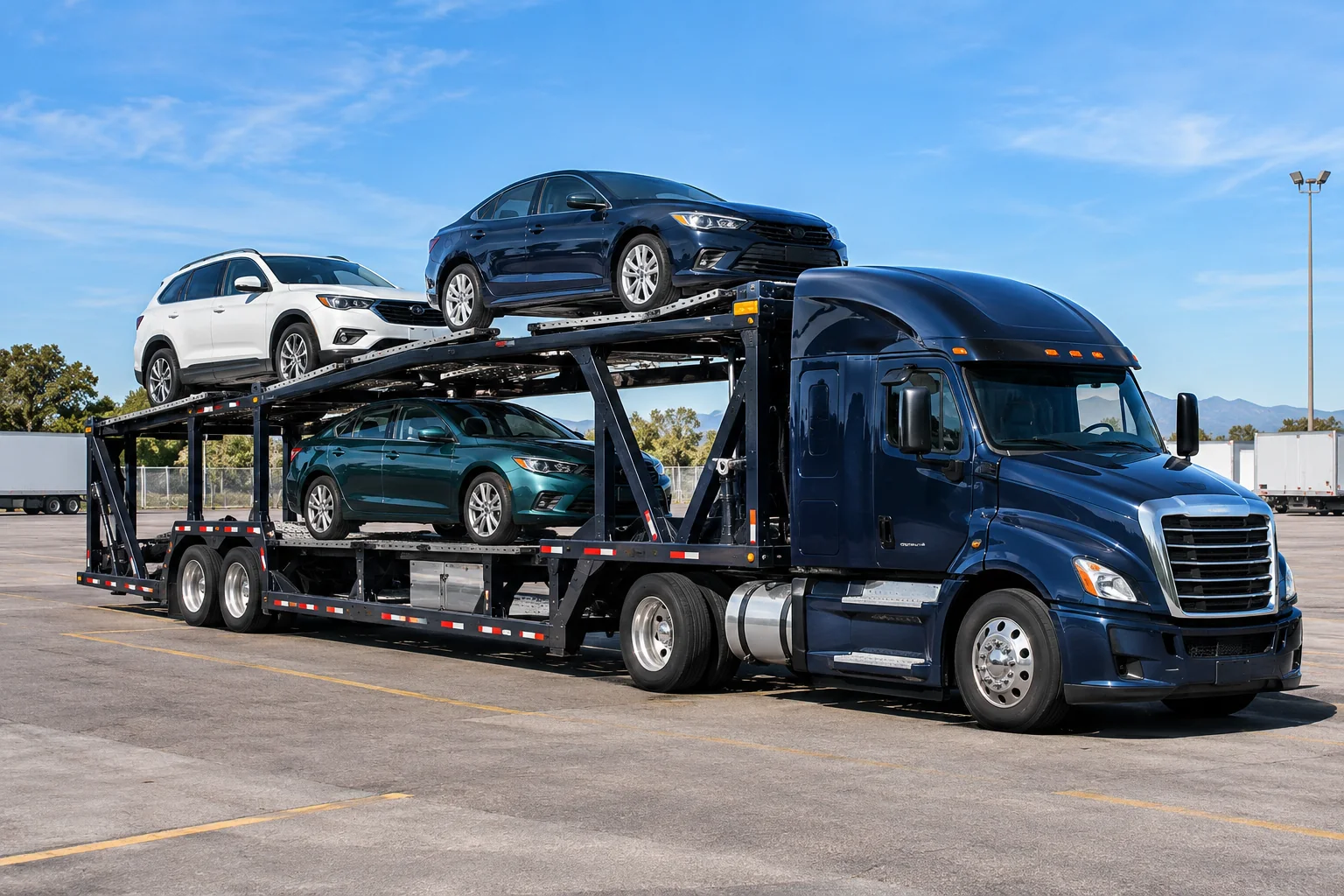
An open transport car shipping service moves a vehicle on equipment without a surrounding trailer enclosure. The car remains exposed to the outside environment during the open portion of the trip. That physical description is the starting point for deciding whether the service fits. It does not specify the size of the trailer, the number of other cars, the route sequence, the loading method, or the exact pickup schedule. Those details still need to be discussed for the assigned operation.
As one provider example, Montway's open transport page describes outside exposure and identifies ordinary passenger vehicles among the vehicles it serves. That describes the provider's offering rather than a rule that every vehicle is suitable for every open carrier. Begin with your actual car and expectations. If a barrier from weather, road spray, or public view is important, compare the relevant features in the enclosed service guide before deciding which arrangement meets your needs.
Distinguish trailer category from vehicle acceptance
Open equipment can differ in size, deck arrangement, capacity, and loading design. A truck photograph on a website does not confirm the unit assigned to your shipment. Ask the provider what kind of equipment is proposed and whether the actual operator has accepted the car's dimensions and condition. A standard sedan, a tall modified SUV, and a lowered coupe can create different questions even if all are roadworthy. The category open is too broad to answer those questions by itself.
Record modifications before booking. Include roof equipment, lift kits, oversized tires, body extensions, low front splitters, and anything that changes the vehicle's normal shape. Provide requested measurements and photographs. The vehicle type guide helps describe these differences. If an accessory will be removed before pickup, say so clearly and make sure the description matches the vehicle presented. Equipment acceptance should be based on the real loading task, rather than a generic model name that omits the changes the operator needs to know.
Treat exposure as a concrete choice
An open carrier does not provide an enclosed barrier from rain, snow, dust, road spray, or nearby traffic conditions. Discuss that exposure without assuming either that damage is inevitable or that no damage can occur. The decision depends on the car's condition, the owner's priorities, and the service available. An everyday vehicle with a complete weatherproof exterior raises a different question from an unfinished restoration with exposed materials or an interior that cannot be protected from rain.
Write down any specific sensitivity. A loose trim piece, temporary window covering, delicate unfinished surface, or recently applied treatment should be disclosed and evaluated directly. Our classic vehicle guide discusses preservation concerns. Do not rely on the statement that a car is accustomed to road use if its current condition differs from normal driving condition. Equally, do not turn general exposure into an unsupported prediction about the outcome of a particular shipment. State the facts and choose the physical protection you actually want.
Do not assume an exact position on the trailer
A customer may have a preference about where the car rides, but the operator must plan the load around equipment, vehicle dimensions, access, and the route. Ask whether any placement request is accepted as a specific commitment. Do not assume that an informal preference is guaranteed or that one position answers every exposure and handling concern. If the decision to use open equipment depends on a particular position, resolve that condition before booking rather than after the truck arrives.
Loading and securement are the carrier's professional tasks. Explain the car's needs and provide manufacturer information where relevant, but do not improvise directions for deck movements or tie-downs. The vehicle handling guide explains the customer information that supports safe planning. If the assigned equipment cannot meet an accepted requirement, contact dispatch to resolve it. Pressure to complete a pickup should not replace confirmation that the actual car and trailer arrangement match the plan everyone agreed to use.
Describe operation precisely before assignment
Tell the provider whether the car starts, moves under its own power, steers, brakes, and can remain running for short handling movements. Those facts are not interchangeable. A car with an intermittent starter or a leaking tire may need additional discussion even though it completed a drive yesterday. Report known problems early. If the car stops running after booking, the accepted arrangement may need different equipment, handling, timing, or terms.
The non-running transport guide helps separate these conditions. Do not describe an expected repair as a completed repair. State the current condition and then explain the planned work. If a battery is weak or an electronic parking system needs special handling, provide the applicable manufacturer instructions. The operator should decide whether the service can accommodate the condition. An open trailer does not remove the need for a workable loading plan, and a short distance from driveway to truck does not make an undisclosed mechanical problem irrelevant.
Prepare a clean inspection surface
Clean enough of the vehicle to make its condition visible, using care methods appropriate to its finish. The aim is a readable condition record, not a cosmetic presentation. Dirt can obscure a mark, while glare can make a photograph difficult to interpret. Take overall images from each side and close views of existing concerns. Include wheels, glass, lower panels, and vulnerable accessories. Keep the original files and record the date.
Photograph the odometer and fuel or charge indication. These records provide context for the handoffs and short operating movements. Review the carrier's inspection document as well; personal photographs do not replace a pickup record. The transport paperwork guide explains the document chain. If another person releases the car, give them clear instructions to review the observations and retain a copy. Make the record accessible to the destination receiver so the same baseline is available when the car arrives, even if the owner travels separately.
Remove loose exterior items and discuss covers
Ask the carrier about removable exterior accessories and any item that might affect clearance or remain insecure in outside airflow. Examples can include detachable racks, temporary signs, loose trim, and accessories that differ from the car's usual driving setup. Do not assume that an item suitable for a short local trip is accepted for the full transport arrangement. Follow the operator's stated requirements and document anything that remains attached when it could affect condition or handling.
A loose vehicle cover is a separate question. Do not add one without the carrier's acceptance and appropriate care guidance for the finish. Its attachment, fit, and contact with the car need consideration, and it is not equivalent to a trailer enclosure. The covering terminology guide explains why those distinctions matter. If outside exposure is unacceptable for the car, discuss an enclosed service directly rather than assuming an improvised covering turns an open carrier into the same physical arrangement.
Clear the cabin for transport access
Remove valuables, sensitive records, medication, identification, toll devices, and items you will need while the car is away. Secure or remove loose cabin items as the carrier requires. Discuss any contents that will remain, including spare parts or luggage. Permission to carry something inside the car does not establish its insurance coverage. Additional weight and restricted visibility or access can also matter to the operator, so an inventory should be accurate rather than summarized as a few belongings.
The personal items guide treats acceptance, inventory, weight, and coverage separately. Keep important travel supplies with the people traveling, not in the vehicle. Once the carrier has custody, access may be impractical until delivery. If an alarm, immobilizer, or unusual key system is present, explain the normal operation and provide the means required for the accepted service. A clear cabin and clear instructions support short handling movements without turning the car into an informal household freight container.
Follow the correct operating instructions
Check the carrier's stated fuel or battery requirements and the vehicle manufacturer's applicable handling guidance. There is no single preparation percentage or mode instruction that should be copied to every car. Electric vehicles, adaptive suspension systems, electronic parking mechanisms, and aftermarket security devices can require model-specific understanding. Give the operator the relevant information before pickup instead of expecting the driver to discover an unfamiliar system while preparing to load.
For example, Tesla's 2020-2024 Model Y manual contains instructions for transporters, including limits on the purpose of a handling mode. The lesson is to use the correct instructions for the actual vehicle, not to apply that model's procedure to all EVs. If the car has an electrical fault or cannot enter an expected mode, disclose that fact. Let the qualified operator evaluate the equipment and method. Preparation means supplying accurate operating information, rather than attempting an unfamiliar loading or recovery procedure yourself.
Verify the company and the assigned carrier
Know who is arranging the service and who will perform the haul. The FMCSA automobile transporter advisory recommends distinguishing auto brokers from transporters and checking interstate registration. Match the legal identity with the agreement and payment instructions. If the carrier is assigned after booking, obtain its details before releasing the vehicle. A recognizable booking brand does not, on its own, identify the operator at the handoff.
Our verification guide helps organize these checks. Confirm that the assigned carrier has the vehicle description, access information, and any accepted special requirement. Ask who handles dispatch updates and whom the receiver should contact on delivery day. Registration, equipment suitability, contract clarity, and customer communication are separate parts of the decision. Checking one does not establish all the others. An ordinary open shipment still benefits from a complete record of who is responsible and what service has been accepted.
Plan pickup around real truck access
Describe the pickup address and known restrictions before the truck is sent. A street can be accessible to a passenger car yet unsuitable for a transporter because of turning space, tree clearance, slope, or local restrictions. The operator should determine whether its equipment can use the location. If a nearby meeting point is required, confirm permission and agree who moves the vehicle there. Include a return trip for the releasing person if needed.
The address access guide explains this planning boundary. Keep the car available during the accepted pickup window and ask how arrival notice will be provided. Do not assume a window is an exact appointment. At handoff, walk around the car with the inspector when possible, review the condition record, and obtain a signed copy. Explain any last-minute change in operation or condition. These steps create a clear transfer of custody before the car enters the exposed part of its journey.
Budget for the service actually described
Compare written terms for the same vehicle, dates, route, and access arrangement. Do not assume a universal open transport price or a fixed percentage difference from enclosed service. Identify the full amount, payment stages, possible revisions, and cancellation conditions. A lower initial payment is not necessarily a lower complete obligation. If a nearby meeting point creates local travel expenses, include those in your own budget separately from the provider's charges.
The cost planning guide builds an itemized total, and the written comparison guide helps read competing proposals. Check cargo coverage, deductibles, exclusions, and claim instructions for the actual carrier. The presence or absence of a trailer enclosure does not answer all financial protection questions. Record what is confirmed and mark what remains unresolved. A sensible comparison explains the complete service rather than assuming the words open transport establish its price, timing, coverage, and every operating detail.
Inspect the exposed car carefully at arrival
Ask the receiver to allow enough time and usable light for inspection. An open trip may leave dust or road grime on the car, so distinguish a visibly dirty surface from a documented new condition concern. Compare the pickup record and photographs, take fresh images, and examine wheels, glass, lower panels, front, rear, and sides. Describe any concern specifically rather than guessing its cause. If visibility prevents a full inspection, state that limitation accurately in the record.
Follow the carrier's process to document concerns before finalizing delivery paperwork and retain a readable signed copy. Keep the claim contact and reporting instructions available. After handoff, preserve the agreement, receipts, inspection records, photographs, and material messages. An open carrier can be a practical service when its outside exposure and operating arrangement fit the vehicle and owner. That fit is established by clear facts, accepted requirements, preparation, and a documented delivery, rather than by assuming every open shipment provides the same experience.
Sources and further reading
Dates and the scope of individual rules are explained in the guide. Use the linked authority or operator to confirm requirements for your shipment.