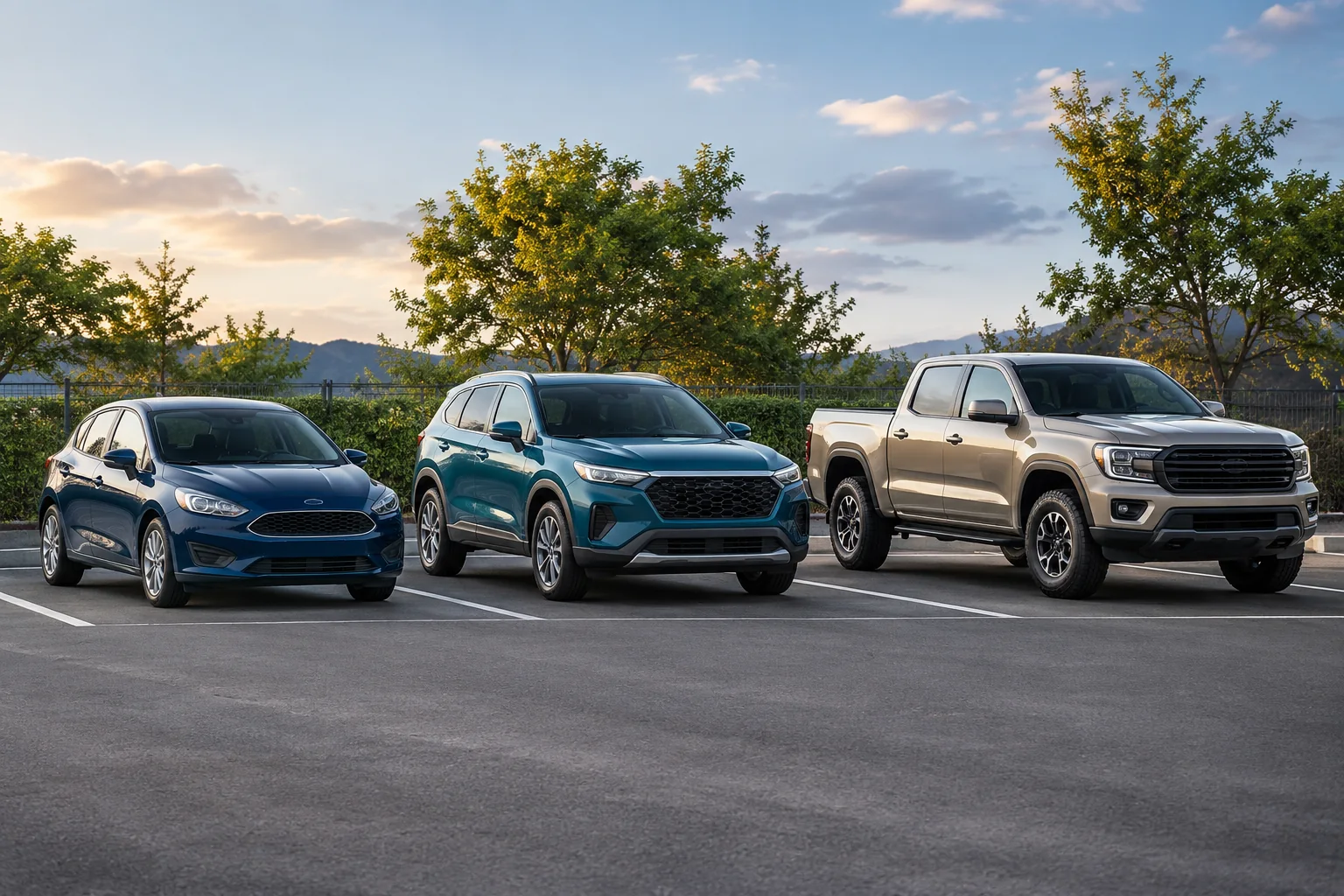
Start with the actual vehicle, not a broad category
A vehicle transport booking needs more than a label such as SUV, pickup, or electric car. Those categories can include very different dimensions, weights, drive systems, and handling requirements. Identify the year, make, model, trim, body configuration, and modifications. Tell the provider whether the vehicle starts, moves under its own power, steers, brakes, and remains reliable during short operating movements. These facts define what the operator will need to accept and handle at pickup.
Use the manufacturer's specifications as a starting point for a standard vehicle, then describe how the actual one differs. A modified truck or car with attached accessories may no longer match the published measurements. The vehicle information guide helps organize the facts. The aim is not to decide the truck's loading plan yourself. It is to give the qualified operator enough accurate information to choose suitable equipment, confirm acceptance, and identify questions before a vehicle and transporter meet at the pickup location.
Measure the configuration that will be shipped
Length, width, height, ground clearance, and weight information can all matter to equipment suitability. Ask which measurements the operator requires and how it wants them described. Include the features that remain attached, such as roof racks, antennas, cargo boxes, mirrors, tow equipment, and body extensions. A photograph gives helpful context, but it is not a substitute for a requested dimension. State whether a measurement includes accessories so different people do not compare incompatible figures.
For weight, distinguish a manufacturer's specification from the actual loading condition. A vehicle with permanent service equipment or added cargo may differ from a base model. Do not guess an exact loaded weight when it is unknown; state the uncertainty and ask what information is needed. Our handling guide explains why the operator needs a clear vehicle description. A complete profile avoids treating every vehicle bearing the same model badge as though it occupies the same space or presents the same handling task.
Sedans and hatchbacks still need individual disclosure
A conventional passenger car can appear straightforward, but its current condition and accessories still matter. A lowered suspension, aftermarket splitter, damaged tire, temporary window, or unreliable starter changes the situation. Describe these facts even if the car is a common model. Tell the provider if the vehicle's normal ride height cannot be maintained or if a door, trunk, or hood cannot open in the usual way. Access problems can affect inspection and short operating movements.
Remove loose cabin items and discuss any permitted contents. If a hatchback carries spare parts or household goods, their presence is a separate acceptance and coverage issue. The contents guide explains this distinction. Do not assume the compact size of a car makes an undisclosed load irrelevant. Keep the vehicle description focused on the configuration actually being shipped, then confirm any special requirement in the written booking and again with the assigned operator when the dispatch details become available.
SUVs and crossovers require height and accessory checks
SUV and crossover labels cover a wide range of body sizes and roof arrangements. Identify the model and trim, along with roof rails, cargo baskets, tents, spare-wheel carriers, and other attached equipment. Explain whether accessories will be removed before collection. A tall vehicle with a roof box presents a different fit question from the same vehicle without it. If the operator requests overall height, provide the actual loaded configuration rather than the standard roof height from a brochure.
Describe suspension modifications and any system that changes ride height. If an air suspension or other adjustable system has manufacturer instructions relevant to transport, supply the correct manual section. Do not choose a setting merely because it seems to create more space. The enclosed equipment guide explains why an enclosure still has physical fit and loading limits. Whether open or enclosed, the actual operator should accept the SUV's dimensions and handling requirements before assignment is treated as complete.
Pickups need cab, bed and attachment details
A pickup's model name may not identify its total length or configuration. Record cab style, bed length, drivetrain, and relevant trim or package information. Include a topper, rack, toolbox, service body, snowplow attachment, or other permanent equipment. Tell the provider about oversized tires, a suspension lift, a lowered setup, or a bumper that changes overhang. Each detail should describe what will actually be present when the vehicle is collected.
Clear the bed under the carrier's requirements and discuss any item that remains. A tool chest attached to the vehicle and loose tools inside it can raise different questions. Ask about acceptance, access, and coverage rather than assuming everything in a pickup bed is part of the vehicle. The open transport guide covers exposure and loose accessories. Do not infer a universal pickup surcharge or percentage from the category. Equipment and written terms should be based on the actual truck, its condition, the route, and the service accepted.
Check drivetrain instructions for the correct model
Handling instructions can depend on drivetrain and model year. Emergency towing permission, recreational flat towing, short repositioning, and hauled transport are distinct situations. An instruction intended for one does not automatically authorize the others. Use the actual vehicle's owner manual and supplements, and direct the operator to the applicable section. If a manual has separate guidance for a special trim, performance package, or drive system, include that information rather than relying on a general model page.
For example, Ford's 2013 F-150 owner's manual recommends that a four-wheel-drive vehicle be towed with all wheels off the ground, using suitable equipment. This is a specific model-year example, not an instruction for every Ford truck. It demonstrates why a pickup's apparent ability to roll does not establish an approved transport method. Let the qualified operator apply the correct guidance, and disclose a drivetrain fault or inability to follow an expected procedure before pickup.
Electric vehicles need model-specific acceptance
An electric powertrain does not, by itself, specify the correct handling method. Model, year, electrical condition, parking system, key access, and manufacturer instructions all matter. Tell the provider the exact EV and confirm that the assigned operator accepts it. Supply the relevant manual section and ask what fuel-equivalent preparation or charge requirement applies to the accepted service. Avoid copying one universal battery percentage from unrelated transport advice and presenting it as a rule for all EVs.
The Tesla Model 3 instructions for transporters, for example, identify a flatbed or comparable transport vehicle as the recommended method and describe specific handling limitations. That is manufacturer guidance for the model identified on the page. Use the version that applies to your actual vehicle and configuration. If the car cannot power its normal controls or release an expected mechanism, say so explicitly. A vehicle can have substantial main-battery charge and still present a separate electrical or access problem requiring professional evaluation.
Separate a temporary handling mode from a travel setting
A mode with transport or towing in its name can have a limited purpose. It may support a short loading movement or another defined task rather than remain active throughout a shipment. Read the manufacturer's instructions for the actual model, including conditions and limitations. Tell the operator where the instructions can be found. Do not activate an unfamiliar mode and leave the vehicle in an unexplained condition, especially if the owner will not be present when loading begins.
The 2020-2024 Tesla Model Y manual illustrates this need for precise instructions through its transporter guidance. Provide the appropriate key or access method and explain any known limitation. If normal instructions cannot be followed because of damage or loss of power, involve a suitable professional or manufacturer support channel. The customer should disclose the condition and secure an accepted service. Loading, recovery, securement, and handling decisions belong to qualified personnel using the applicable guidance and equipment.
Disclose damaged and non-running conditions separately
A vehicle that does not start is not necessarily the same job as one with collision damage, a locked wheel, a steering problem, or an uncertain battery condition. Describe observable facts and known diagnoses without inventing a technical explanation. Explain whether the vehicle can roll freely, maintain tire pressure, steer, and brake. Photographs may help the operator understand body damage or access restrictions. The non-running vehicle guide provides a more detailed disclosure framework.
For a damaged EV or hybrid, tell the provider what happened and obtain appropriate professional guidance about its condition and acceptance. Do not assume ordinary vehicle shipping rules establish that a collision-damaged vehicle is ready for routine loading. Likewise, do not attempt a repair, electrical intervention, or recovery procedure simply to match a previously booked service. If the facts change, ask the provider to review the plan. Accurate condition disclosure allows an operator to accept, decline, or revise the arrangement before an unsuitable truck is dispatched.
Low and modified vehicles need a clearance conversation
Ground clearance alone may not explain a car's loading needs. Wheelbase, front and rear overhangs, underbody components, tire size, and ride-height behavior can also be relevant. Supply the requested information and ask the operator whether the proposed equipment can accommodate it. A low sports car may need a different loading arrangement from a taller vehicle even when both fit within the trailer's overall dimensions. The operator should determine the suitable method.
Our luxury vehicle guide and classic transport guide address delicate components and condition records. State whether a front splitter, side skirt, or exhaust component has existing damage. If a suspension setting or spacer is relevant, use the correct manufacturer or specialist instruction. Do not improvise clearance changes at the curb. A clear written requirement is more useful than the broad statement that a car is special, because the operator can evaluate it against actual equipment and loading constraints.
Match weather protection to present condition
Vehicle type does not dictate a single protection choice. A complete daily-use sedan can have different needs from the same model midway through restoration. A pickup with weather-sensitive equipment may raise concerns that another pickup does not. Describe exposed interiors, temporary glazing, unfinished surfaces, or delicate accessories. Ask whether the proposed service is suitable and what preparation it accepts. Do not assume a loose cover creates the same barrier as an enclosed trailer.
The covered service guide explains the need to define physical protection. If an enclosure is chosen, confirm trailer type, loading acceptance, and any other essential feature separately. If open service is chosen, understand the outside exposure and remove or secure items according to the accepted requirements. Protection should follow the vehicle's actual state and the owner's priorities. Avoid universal claims that every EV needs an enclosure, every SUV fits open equipment, or every collector car can be handled by a particular trailer without an individual review.
Compare scope and cost without category shortcuts
A written proposal should describe the vehicle configuration that was evaluated. Check whether the amount assumes a standard, running vehicle and whether special equipment or handling has been included. Ask what happens if the dimensions, condition, dates, or addresses change. There is no useful universal percentage that can be applied to every SUV, pickup, EV, or modified car. Compare actual written terms for the same facts instead of constructing a price from the vehicle category alone.
The budget guide helps separate transport charges from local access and temporary mobility costs. The comparison guide explains how to identify exclusions and payment stages. Also confirm coverage for the described vehicle, including an unusual value or special finish where relevant. Equipment suitability and financial protection answer different questions. A higher service amount does not automatically prove a broader policy, just as a common vehicle model does not establish that every loss or personal item would be covered.
Make the vehicle profile available at both handoffs
Keep the vehicle facts, accepted requirements, operating guidance, photographs, and provider contacts together. Give the releasing person instructions to review the pickup condition record and report a mismatch. If the assigned operator has not received the special requirements, resolve that through dispatch before release. The FMCSA automobile transporter advisory also advises consumers to distinguish arranging businesses from the actual transporter and check interstate registration. Know which entity is taking custody and who handles an operational question.
Send the receiver the pickup record and relevant handling notes before arrival. At delivery, inspect the actual car against the baseline, photograph it, and document concerns under the carrier's process before finalizing paperwork. Preserve the signed records and payment receipts. A detailed vehicle profile serves the entire shipment: it supports equipment selection, accurate terms, prepared handoffs, and a meaningful arrival comparison. That is the practical connection between vehicle type and transport planning, with each accepted requirement tied to the individual car or truck being moved.
Sources and further reading
Dates and the scope of individual rules are explained in the guide. Use the linked authority or operator to confirm requirements for your shipment.